

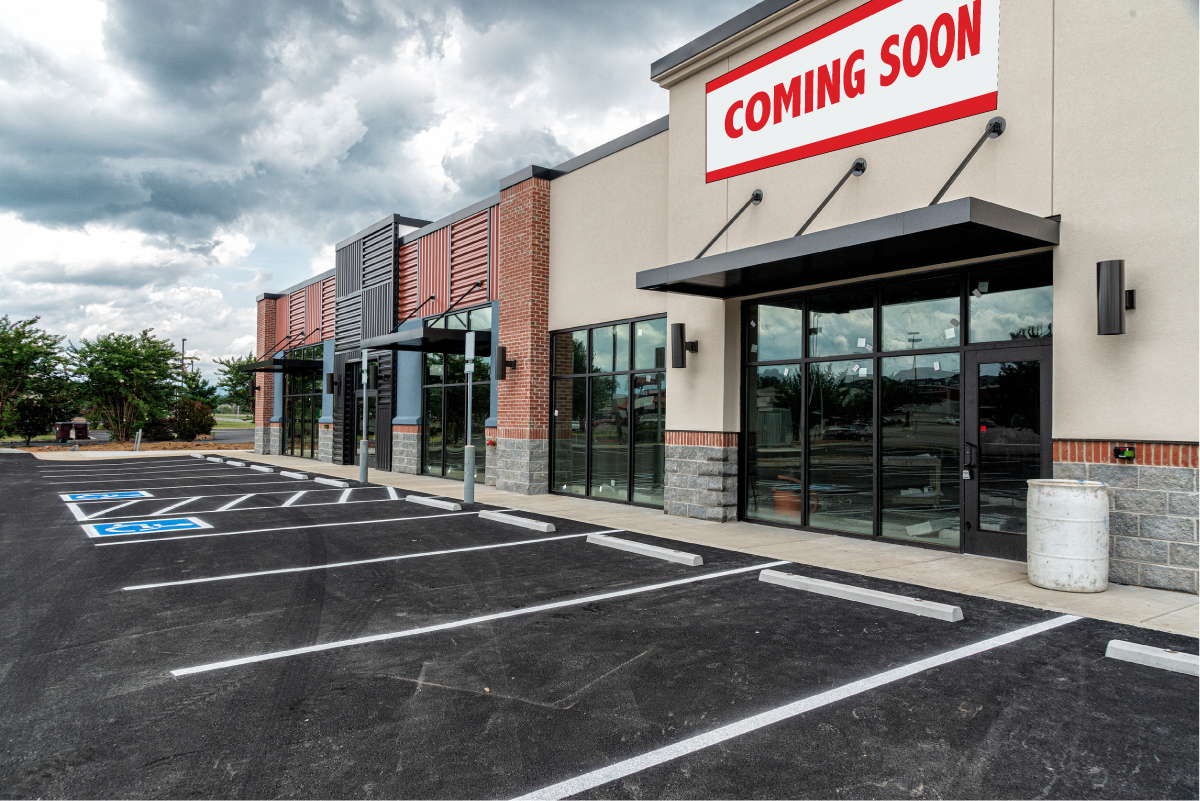
A new store is built, the lights are on, and the staff is ready. But the opening date slips…again. Equipment is waiting to be installed. Systems haven’t been configured. Rent is due, payroll is running, and the doors are still closed.
On paper, the project looks fine. But in reality, the delay is quietly eroding profit.
For retail and restaurant brands growing through new store openings or technology rollouts, it’s not always the competition that threatens performance. It’s the decision to wait.
In an industry that runs on tight margins and rapid execution, inaction may be the most expensive choice a brand can make. As Forbes notes, organizations often underestimate the true cost of IT inaction—especially in digital transformation initiatives.
The Illusion of Safety in Doing It Yourself
Many IT and operations teams take pride in being self-sufficient. They know their environment better than anyone. They’ve done this before. And at first, handling deployments internally seems like the smartest option: total control, no outside dependencies, and the sense of saving money.
But as brands grow, that model starts to strain. Internal teams juggle support tickets, new openings, and day-to-day maintenance. Projects get pushed out “just a few weeks.” Budgets tighten. Other departments compete for resources. What once worked fine at 20 locations becomes unsustainable at 100.
The problem isn’t lack of effort. Its capacity. Every hour spent coordinating equipment shipments or scheduling techs is an hour NOT spent on strategy, data security, or system performance. Over time, the backlog grows until small delays become operational norms.
That’s when the hidden costs of IT inaction start adding up.
The Real Costs of Waiting
-
-
- Idle capital

Every delayed store opening carries an invisible price tag. Rent, utilities, and labor start accumulating before the first sale is made. Each week of delay can represent tens of thousands of dollars in lost revenue opportunity and that’s before factoring in franchise or marketing commitments. - Wasted labor and travel
When project timelines slip, field teams spend more time waiting than working. Internal staff travel to sites before they’re ready. Dependencies with other vendors cause downtime. Hours are burned with little to show for it. - Disrupted operations
When technology installations drag, it often puts store managers and on-site staff in difficult positions as they’re frustrated by a process they don’t control but still must explain. The tension between operations and IT erodes internal trust and makes future rollouts harder. - Compliance and risk exposure
Delaying upgrades often means running end-of-life hardware or unsupported software, especially in payment environments. Beyond performance issues, that can expose the business to PCI or data security risk which is something no brand wants to explain after the fact. - Momentum loss
Perhaps the most damaging cost is the effect on momentum. Once projects stall, teams lose confidence and urgency. Delays are accepted as a normal course of business.
- Idle capital
-

Inaction doesn’t just pause progress. It also quietly multiplies risk.
The Tipping Point
For most organizations, it takes a visible pain point to trigger change. Maybe it’s a missed opening date. Maybe it’s a leadership mandate to cut costs or consolidate vendors. Or maybe an internal audit reveals that half of your network is running on unsupported systems.
But by the time that happens, the cost of delay has already been paid with wasted time, reactive spending, and stressed teams.
The most effective organizations act before those triggers hit. They know that small, proactive adjustments like bringing in partners early, tightening project visibility, and formalizing rollout processes cost a lot less than emergency action later.
Learn how flexible network-based models help retailers scale IT deployments efficiently—without the drag of fixed overhead.
What Taking Action Really Means
 Taking action doesn’t mean surrendering control. It means deciding which parts of the process truly need to be owned internally and which are better handled by specialists who do this every day.
Outsourced deployment isn’t about removing the IT team; it’s about enabling it.
When brands partner with experienced rollout teams, they gain:
-
-
- Predictability: Schedules and budgets become clear and repeatable.
- Focus: Internal IT stays focused on network health, data, and security—while partners handle execution.
- Speed: New store openings or refreshes happen on schedule, without straining internal resources.
- Scalability: The organization can take on more projects without adding permanent headcount.
-
The real return on investment isn’t just cost savings, it’s operational confidence. Projects move again. Teams stop firefighting and start planning.
How to Spot Early Warning Signs of Inaction
If any of these sound familiar, it may be time to revisit your current approach:
-
-
- Store openings or tech refreshes are consistently delayed.
- Your team spends more time coordinating vendors than improving systems.
- Travel costs are rising while project output stays flat.
- Older hardware or software keeps getting “extended” another year.
- Communication between IT and operations has become strained.
-
These are signals that the current model isn’t scaling and that inaction is already costing more than action would.
Progress Beats Perfection
The truth is, no IT project ever feels perfectly timed. Budgets will always be tight. Teams should always be busy. But progress is almost always better than waiting for ideal conditions.
Technology doesn’t stand still, and neither should your deployment plans.
The brands that continue to grow and adapt aren’t the ones with the biggest budgets. They’re the ones that act decisively when others hesitate.
So if your next project has been sitting on the back burner, ask yourself one question:
What is waiting really costing you?